
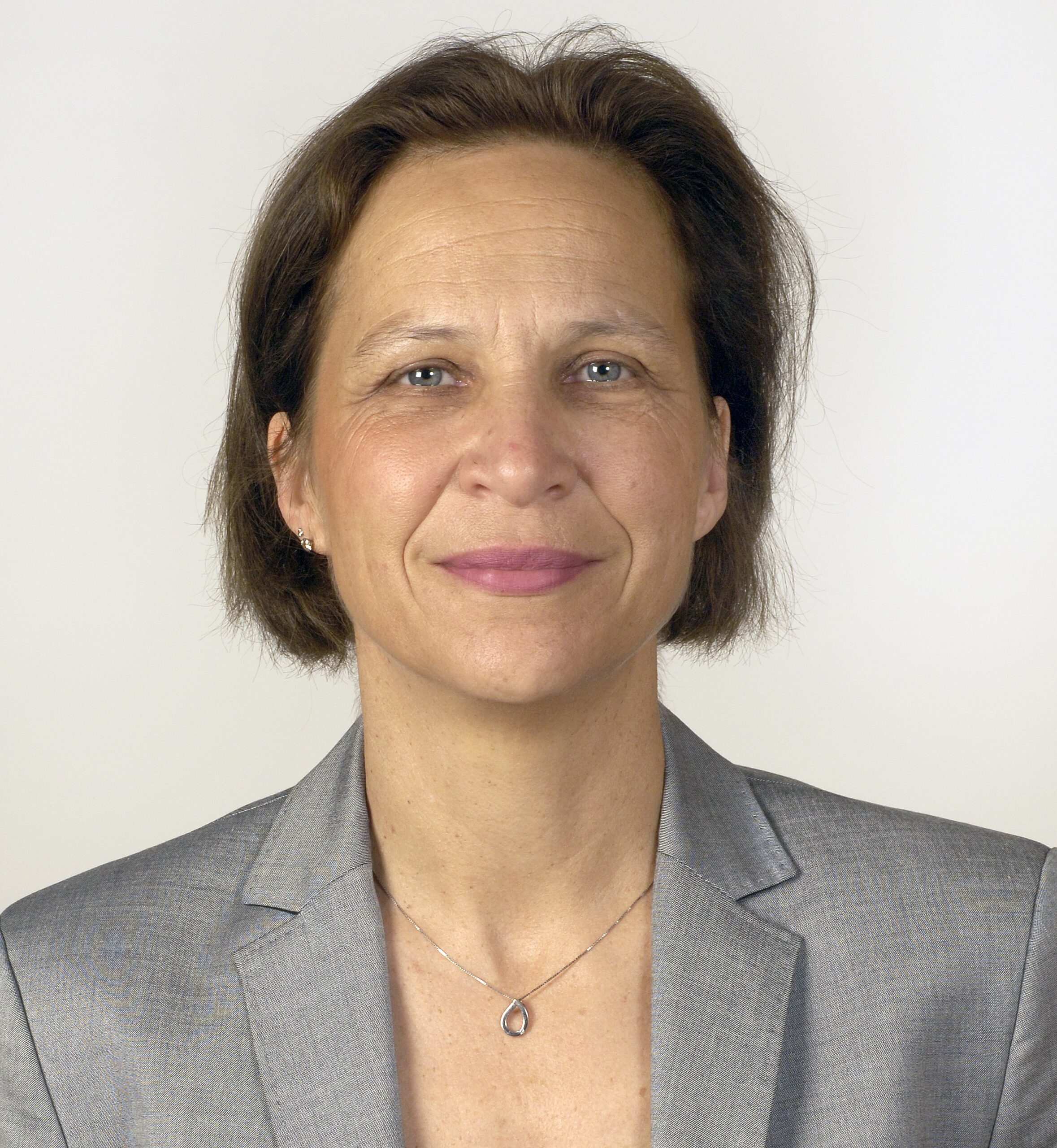
Patricia Albisetti, General Secretary of the “Fédération des hôpitaux vaudois” (FHV), represents the interests of twelve hospitals, negotiates with insurers and cantonal authorities, and observes on a daily basis the tensions weakening a system that is struggling to transform itself. She explains why the model has reached its limits, and what needs to change.
Recent developments have been marked by a very tense, even unsustainable, financial situation for most hospitals in French-speaking Switzerland. What explains this pressure today?
We are being asked to guarantee high-quality care while keeping rising costs under control. But the system is deeply fragmented. Because of Swiss federalism, certain responsibilities lie with the Confederation, such as the Federal Health Insurance Act, which is a financing law rather than a health law, while others, such as public health, fall under the authority of the cantons. This creates a dual logic in the way healthcare is financed.
In concrete terms, how does this constrain hospitals?
For inpatient care, meaning hospital stays of more than 24 hours, costs are shared between insurers, financed through premiums, and the cantons, financed through taxes. But for outpatient care, it is the insurers who pay. These different funding arrangements make coordination extremely difficult. When two payers follow different logics, no one really carries the overall vision of the patient pathway. No one is truly encouraged to seek the most efficient solution. And sometimes, decisions about the type of treatment are influenced by who pays the bill, rather than by what is best for the patient.
A reform, EFAS, was voted on in 2024 precisely to unify these funding logics. In your view, is this a significant step forward?
It is an extremely important reform, one that will transform financial flows and clarify the way care is remunerated, provided that we accept and anticipate the structural changes it calls for before it comes into force in 2028.
The introduction of SwissDRG, the case-based payment system, in 2012 was already a step in that direction, wasn’t it?
Yes, it unified invoicing at national level. It is important to realise that before SwissDRG, each hospital was reimbursed according to its own system: some invoiced by the day, others by case. It was only in 2012 that it finally became possible to compare the cost of the same treatment between different hospitals.
Ultimately, this cost-control logic does not seem to have benefited hospitals?
The SwissDRG system encouraged competition between institutions and reinforced a culture of every hospital for itself. Today, this model is showing its limits. Costs and tariffs do not explain everything. Just because a hospital has lower or higher tariffs does not tell us anything about the quality of the care it provides. In my view, it is essential to measure both economic and qualitative performance. In addition, hospitals now need to coordinate, collaborate and cooperate. And this has to be done with all service providers, both before and after hospital treatment. There is no shortage of reasons for this.
What are those reasons?
We lack doctors and healthcare staff. And given the expected increase in care needs, things will get worse. Wanting to do everything in every hospital is no longer possible, nor realistic. This is in fact the purpose of the hospital planning strategies put in place by cantonal governments.
“The SwissDRG system encouraged competition between institutions and reinforced a culture of every hospital for itself. Today, this model is showing its limits. Costs and tariffs do not explain everything. Just because a hospital has lower or higher tariffs does not tell us anything about the quality of the care it provides. In my view, it is essential to measure both economic and qualitative performance.”
Digitalisation seems to play a central role in this transformation?
It is indispensable, and more than necessary, because we are lagging behind in this area. The challenges are significant: IT budgets are soaring, cyber risks are increasing, and so on. The latest developments around the DEP (Dossier électronique du patient, which has become the EHR dossier électronique de santé, which is the )electronic patient record, , or electronic health record), are a painful illustration of our difficulties in moving forward together. Yet digitalisation will bring efficiency, quality and safety for patients. And above all, it will allow professionals to have the right information at the right time.
Could this development also relieve teams of a considerable administrative burden?
Indeed. Today, hospitals are overwhelmed. Healthcare staff spend a significant share of their time documenting and justifying their actions. Some professionals leave the care sector because of this, and healthcare professions are becoming less attractive, even though we need them so much.
Technology can of course help, and that is exactly what we expect from it. Artificial intelligence, in particular, will make it possible to achieve efficiency gains with real added value. I am thinking, for example, of medical coding.
What do you think of AI-assisted automated coding?
Today, medical coders are becoming difficult to find. It is a demanding profession, requiring very specific expertise, and some institutions can no longer find the skills they need. In addition, outpatient coding is now being added to inpatient coding. During a round table on this issue, recently organised by Swisscoding, I sensed a real shift. I had the impression that several hospital managers were becoming aware that these tools could help them address their financial and organisational difficulties.
At the level of a single institution, it is difficult to reach a strong level of expertise or to invest in this type of tool. Pooling skills and resources, supported by an external actor, would make it possible to develop innovative solutions.
In your view, what obstacles remain?
Human beings hate change. For a long time, as long as there were not too many economic constraints and no sense of urgency, changes were postponed. Yet today, medicine has made enormous progress. What can be done in inpatient care can now be done in outpatient care. Some people nevertheless oppose this because it reduces revenue. Yet a drop in turnover does not necessarily mean a drop in profitability. It can even be the opposite.
Are discussions under way to change things?
Talks are constant, but it is difficult for solutions to emerge, because few actors are willing to lose something. We would need independent voices, with no personal stakes, capable of proposing solutions, and political decision-makers courageous enough to implement them. Partisan struggles often slow down these decisions, even though health should above all be a matter of the common good.
What is your vision, ten years from now, of a healthcare system that has undertaken the necessary changes?
Does an ideal system exist? That is a difficult question. But if we were to improve ours, we would absolutely need to strengthen prevention and access to care, particularly through general medicine and community care. Outpatient care and home care will develop, and hospitals will become more specialised. Population ageing will lead to a sharp increase in the need for long-term care. It will therefore be essential to structure the healthcare system around the management of chronic diseases. We will need to move towards genuine integrated care networks, with close coordination between all actors, including doctors, hospitals and insurers. The objective is to truly place patients at the centre of the system, and not just a catchphrase.
Related Posts
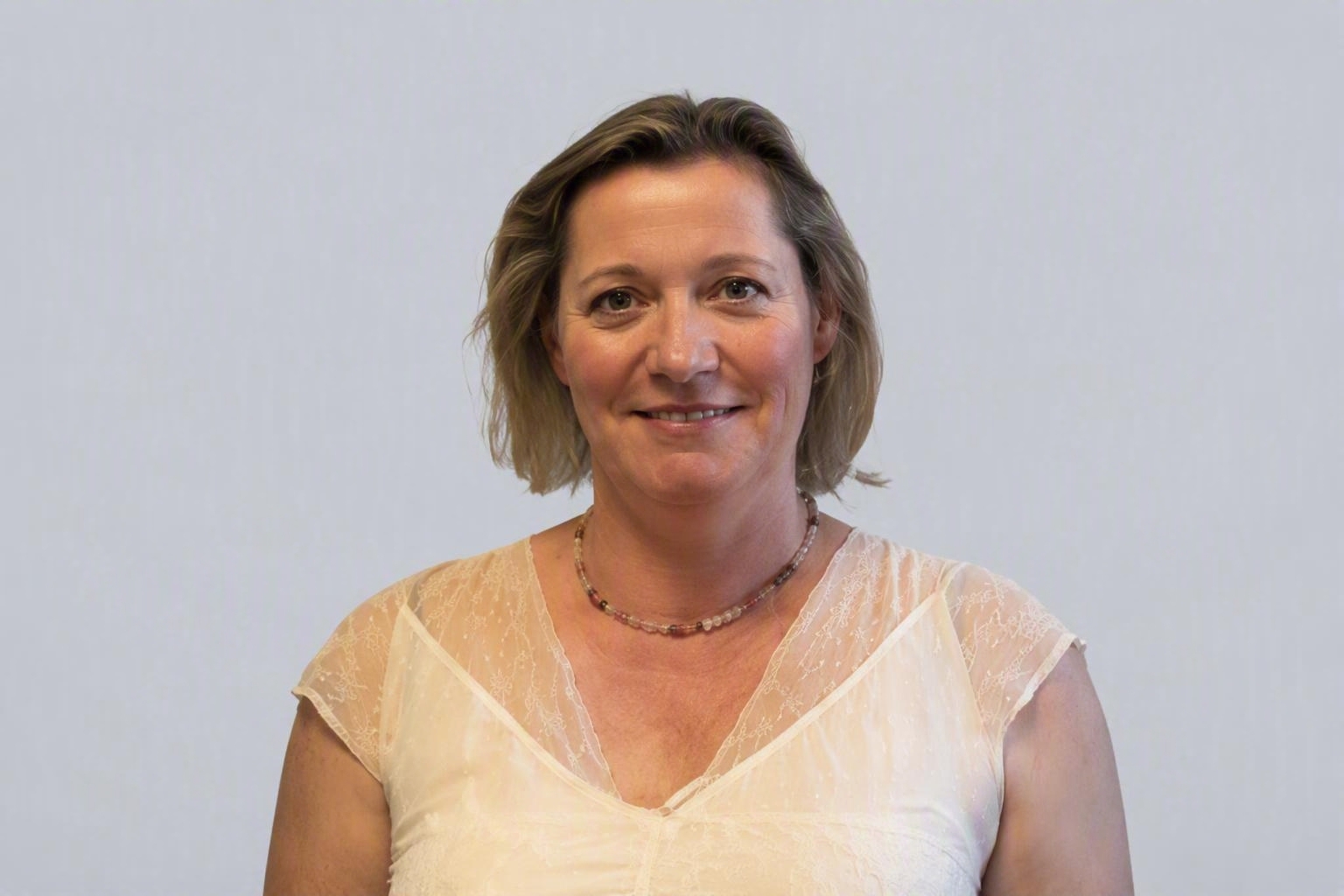
Meet the team Claire
Swisscoding is delighted to announce the appointment of Claire Vaillant as Trilingual Administrative Coordinator (FR-DE-EN)
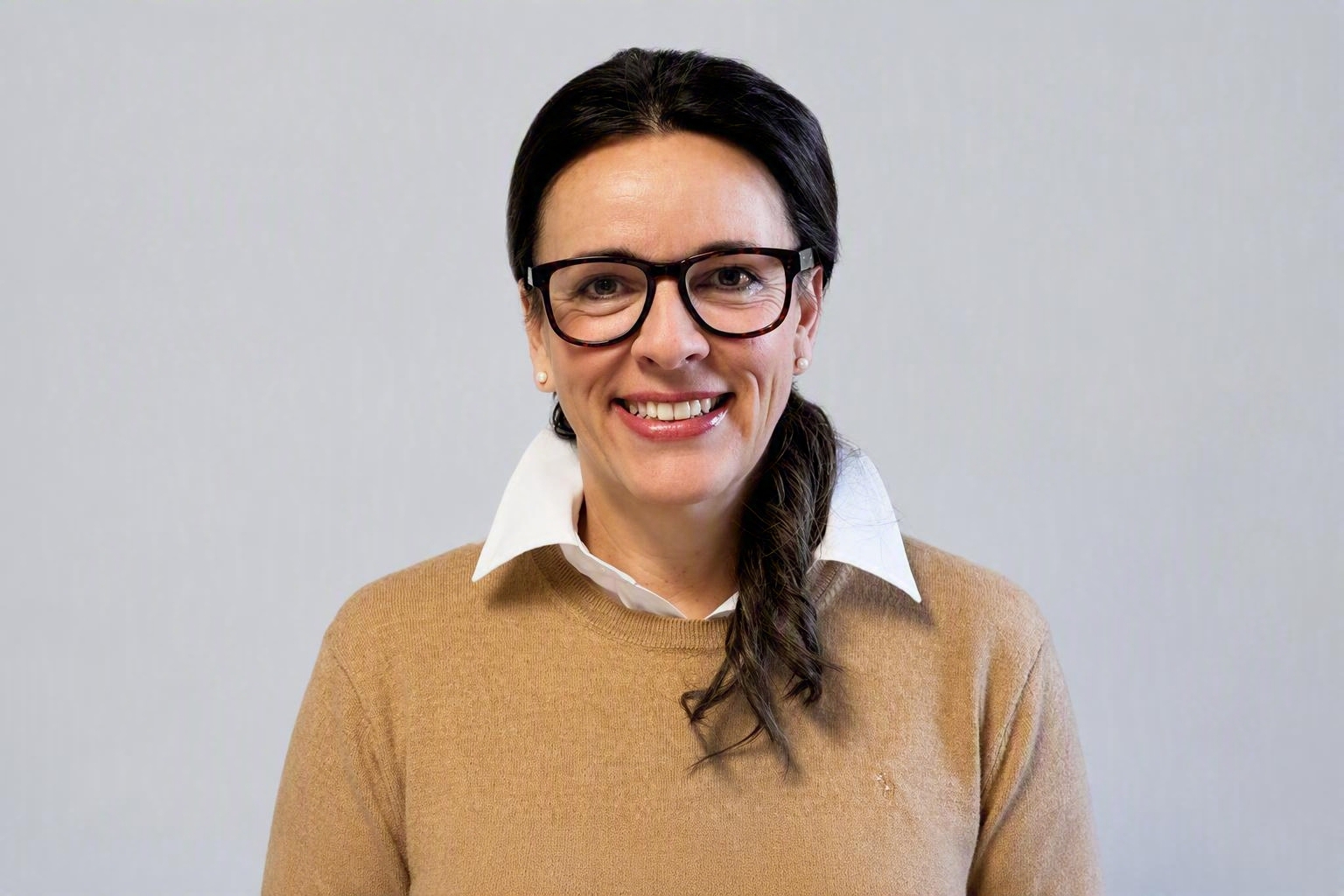
Meet the team Nadine
Swisscoding is delighted to welcome Nadine Grünbeck to its teams as a Medical Coding and Medizincontrolling Specialist